

What Areas of a Home Are Most Likely to Develop Mold?

Mold is one of the most common and costly problems a homeowner can face. It grows fast, spreads silently, and causes serious damage to both your home and your health. Many homeowners do not even know mold is growing until the problem becomes large and expensive to fix. At Guidice Contracting, we see mold damage in homes across Suffolk and Nassau County every single week. Our experienced team handles mold remediation from start to finish, helping families breathe easier and live safer.
Understanding where mold is most likely to grow gives you a real advantage. When you know the high-risk spots in your home, you can check them regularly, catch problems early, and call in professionals before the damage gets out of hand. Guidice Contracting has helped hundreds of Long Island homeowners deal with mold growth in places they never expected.
This guide walks you through the most vulnerable areas of a home, explains why mold loves those spots, and tells you what warning signs to look for. Read carefully because this knowledge can save you thousands of dollars in repairs.
What Causes Mold to Grow Inside a Home?
Before you understand where mold grows, it helps to understand why it grows. Mold is a type of fungus that needs three things to survive: moisture, warmth, and an organic surface to feed on. Wood, drywall, insulation, carpet, and fabric all give mold the food it needs. When you add heat and water to the mix, mold spores activate and start spreading within 24 to 48 hours.
Leaking pipes, poor ventilation, high indoor humidity, and water intrusion from rain or flooding all create the perfect conditions for mold to thrive. Homes that experience water damage and do not get properly dried out almost always develop mold growth within a short time. This is why fast action after any water event matters so much.
Why Is the Bathroom One of the Most Common Places for Mold?
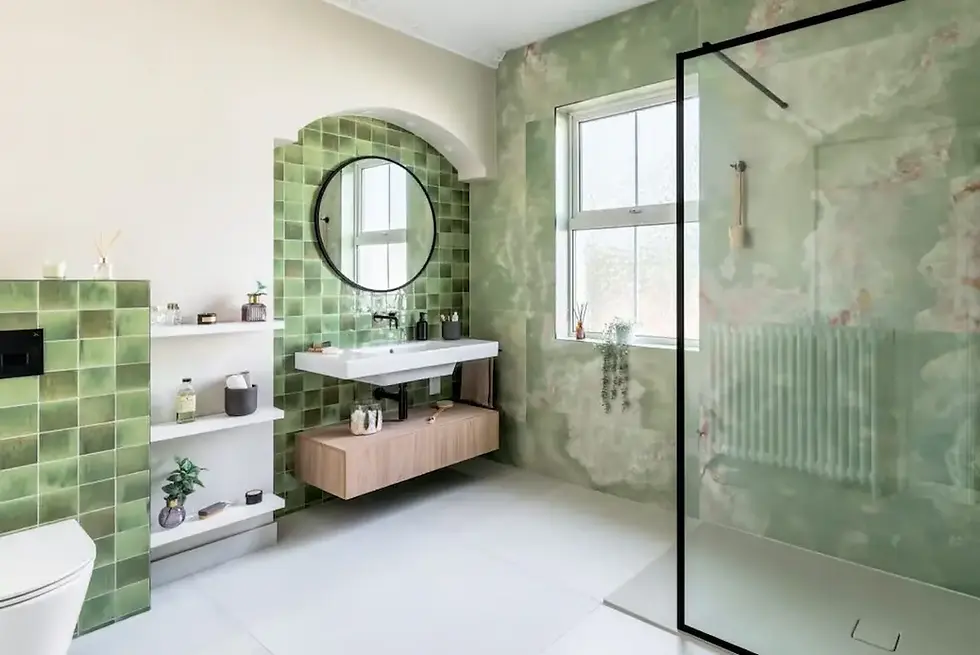
The bathroom sits at the top of the list when it comes to mold-prone areas. Hot showers produce steam, and that steam raises the humidity level in the room quickly. Without proper ventilation, that moisture settles on walls, ceilings, tile grout, caulk, and behind fixtures. Over time, mold colonies form in these damp surfaces.
Where Does Mold Hide in Bathrooms?
Mold in bathrooms tends to appear in grout lines between tiles, along the caulk around the bathtub or shower, under the sink, and behind the toilet. It also grows inside walls when water seeps past damaged caulk or tile and soaks into the drywall behind it. You might notice dark spots, a musty odor, or discolored grout as early warning signs.
Running the exhaust fan during and after every shower helps reduce moisture. Replacing old caulk and checking for slow leaks under sinks are also smart prevention habits.
How Does Mold Develop in Basements?
Basements are naturally damp, dark, and poorly ventilated, which makes them one of the top locations for mold growth in residential homes. Water can enter a basement through foundation cracks, window wells, floor drains, or rising groundwater. Even in dry climates, condensation on cold basement walls and floors creates enough moisture to support mold colonies.
Basements also tend to store cardboard boxes, old furniture, and other porous materials that mold loves to feed on. If you have ever walked into a basement and smelled something musty, that smell often signals mold growth somewhere in the space.
Sealing foundation cracks, installing a dehumidifier, and checking for standing water after heavy rain are all good steps toward keeping your basement mold-free.
Can Mold Grow in the Attic?
Yes, attics are a surprisingly common place for mold growth, and many homeowners never check them. Roof leaks are one of the primary causes of attic mold. When water enters through damaged shingles, flashing, or gutters, it soaks into the wood sheathing and rafters. Combined with warm air that rises from the living space below, the attic becomes an ideal environment for mold to spread.
What Makes Attic Mold So Dangerous?
Attic mold is dangerous because it often goes undetected for months or even years. By the time a homeowner notices staining on the ceiling below, the mold has usually spread across a large area of wood framing. This level of damage requires professional mold remediation and often structural repairs as well.
Proper attic ventilation, regular roof inspections, and keeping gutters clear of debris all reduce the risk of attic mold significantly.
Is the Kitchen a High-Risk Zone for Mold Growth?
The kitchen is another area where mold finds plenty of opportunity. Steam from cooking, drips under the sink, moisture around the dishwasher, and condensation inside cabinets all create conditions that support mold growth. Refrigerator drip pans collect water and organic material, which can become a breeding ground for mold if left uncleaned.
Under-sink cabinets are particularly vulnerable. A slow drip from a pipe fitting often goes unnoticed for weeks, and by the time it becomes visible, the inside of the cabinet and the surrounding drywall may already have significant mold growth. Checking under your kitchen sink once a month takes less than a minute and can catch small leaks before they turn into large mold problems.
Do Walls and Ceilings Develop Mold After Water Damage?
Walls and ceilings develop mold rapidly after any water intrusion. When a pipe bursts, a roof leaks, or a washing machine overflows, water soaks into drywall and insulation within minutes. These materials hold moisture for days or weeks even after the visible water is gone. During that time, mold spores begin to colonize the wet material.
Mold inside walls often stays hidden until it causes health symptoms or the wall surface shows staining, bubbling paint, or warping. By that point, the affected drywall usually needs to be removed and replaced entirely. This is why professional water damage restoration followed by proper drying and mold inspection matters so much after any flooding event.
What Role Does the Laundry Room Play in Mold Problems?
The laundry room is one of the most overlooked sources of household mold. Washing machines use large amounts of water, and front-loading models are especially prone to mold growth inside the door gasket and drum. The rubber seal traps moisture and detergent residue, creating a perfect spot for mold to form.
Laundry rooms also have dryer vents that push warm, moist air out of the home. When those vents become clogged or disconnected, warm humid air fills the room and raises the moisture level significantly. Over time, walls, floors, and cabinets in the laundry area can develop mold growth from this ongoing moisture exposure.
Can Crawl Spaces Develop Dangerous Mold?
Crawl spaces rank among the most serious mold risk zones in any home. These low-clearance areas beneath the home stay dark and damp throughout the year. Ground moisture rises as water vapor and condenses on wood joists, beams, and insulation above. Without a proper vapor barrier and adequate ventilation, crawl spaces almost always develop mold over time.
The mold that grows in a crawl space does not stay there. Air movement inside the home draws mold spores upward through floor gaps, HVAC systems, and other openings, spreading the contamination to living areas. Homeowners with unexplained allergy symptoms, musty odors on the first floor, or warped hardwood floors should consider having their crawl space inspected for mold.
How Does Poor HVAC Maintenance Lead to Mold Spreading?
Your heating, ventilation, and air conditioning system moves air through every room of your home. When mold grows inside the ductwork or on HVAC components, the system carries mold spores throughout the entire house. Air conditioning units that collect condensation without proper drainage, dirty air filters, and humid duct systems all contribute to mold spread.

Changing air filters regularly, scheduling annual HVAC inspections, and making sure the condensate drain line stays clear are all important maintenance steps that protect your home from mold contamination through the ventilation system.
What Should You Do When You Find Mold in Your Home?
Finding mold in your home can feel overwhelming, but acting quickly is the most important step. Small surface mold on non-porous materials can sometimes be cleaned with appropriate products, but mold that covers more than ten square feet, grows inside walls or structural materials, or keeps coming back requires professional remediation.
At Guidice Contracting, our licensed and insured team handles mold remediation for homeowners throughout Suffolk and Nassau County, including Rocky Point, Port Jefferson, Stony Brook, and the surrounding communities. We identify the source of moisture, contain the affected area, safely remove mold-damaged materials, and restore your home to a clean and healthy condition. We also work directly with insurance companies to help make the process as smooth as possible for you.
Do not wait and hope the mold goes away on its own. Mold grows fast and spreads further every day it goes untreated. Call our team, get an inspection, and take back control of your home.
Frequently Asked Questions About Mold in the Home
What does mold look like in a home?
Mold can appear as black, green, gray, or white patches on walls, ceilings, floors, or other surfaces. It sometimes looks fuzzy or powdery and often produces a musty, earthy odor even before it becomes visible.
How quickly can mold grow after water damage?
Mold can begin growing within 24 to 48 hours after a surface becomes wet. Full mold colonies can establish themselves within a few days if the moisture is not removed quickly.
Is mold in the home dangerous to health?
Yes. Mold exposure can cause respiratory problems, allergic reactions, coughing, sneezing, eye irritation, and headaches. People with asthma or weakened immune systems face a higher risk of serious health effects from mold exposure.
Can I remove mold myself?
Small surface mold spots on non-porous materials can be cleaned by homeowners in some cases. However, mold that covers a large area, grows inside walls, or returns after cleaning needs professional mold remediation to address the root cause properly.
How do professionals remove mold from a home?
Professional mold remediation involves containing the affected area, using negative air pressure to prevent spore spread, safely removing contaminated materials, treating surfaces with antimicrobial agents, and restoring damaged structural components.
Does homeowner's insurance cover mold remediation?
Coverage depends on your policy and the cause of the mold. Mold resulting from a sudden covered event like a burst pipe is often covered. Mold from long-term neglect or maintenance issues typically is not. A restoration contractor like Guidice Contracting can help you navigate the insurance process.
How can I prevent mold from growing in my home?
You can reduce your risk by controlling indoor humidity, fixing leaks promptly, ventilating bathrooms and kitchens, cleaning gutters regularly, inspecting your roof and attic, and having your home checked after any water damage event.


Comments