

How Long Does a Roof Replacement Take? Typical Timeline (2026)

If you’re planning a roof replacement, your main question is probably simple: “How many days will this take, and what can slow it down?” Most homeowners aren’t worried about the roofing “process.” They’re worried about disruption, weather exposure, and whether the job will drag on.
In most cases, a roof replacement is a 1–3 day on-site project once work begins. The bigger timeline is the full schedule from inspection to completion, because ordering, permits (if needed), and scheduling usually take longer than the actual install. Contractors like Guidice Contracting typically explain timelines in two parts: pre-work timeline and installation timeline, because that’s what impacts your calendar.
A typical roof replacement takes 1–3 days on-site for many homes once installation starts. The full timeline (inspection → estimate → scheduling → materials → permits if required → installation → final walkthrough) often spans 1–4+ weeks, depending on season, backlog, material availability, roof complexity, and weather.
The 2 timelines you should think about
1) The “calendar timeline” (start to finish)
This is what you care about when planning your week. It includes everything before the crew arrives.
Most homeowners underestimate this part because they only picture install day. In reality, scheduling and material coordination often determine when your project starts.
2) The “on-site timeline” (how many days your driveway is a jobsite)
This is the active work period: tear-off, installation, details, cleanup, and walkthrough.
Both timelines matter. A contractor who only talks about install day but can’t explain pre-work timing is leaving you guessing.
Typical roof replacement timeline (what usually happens)
Step 1: Inspection and scope
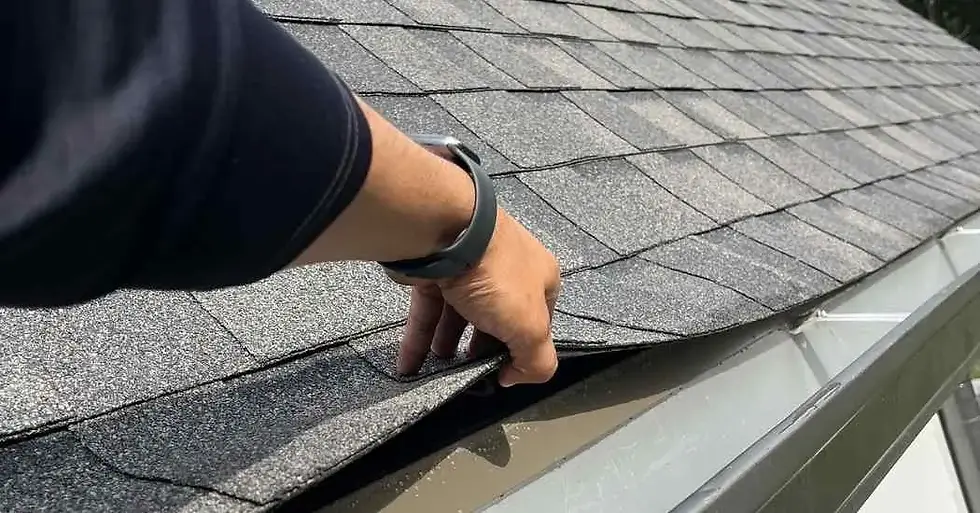
This is the visit where the contractor checks the roof system, not just shingle wear. If you’re getting a same-minute price without any meaningful evaluation, it’s usually not a real scope.
Step 2: Estimate and scope confirmation
This is where you want clarity on the system details: underlayment, flashing, ventilation, cleanup, and how decking repairs are handled if discovered during tear-off.
Step 3: Scheduling and materials
This is where timing varies most. Peak season and storm periods create backlogs. Some shingle colors or system components can also affect lead time.
Step 4: Permits (only if needed)
Not every location requires a permit, but when it does, it becomes part of your calendar timeline. A professional contractor should tell you whether they’re pulling permits and how that affects scheduling.
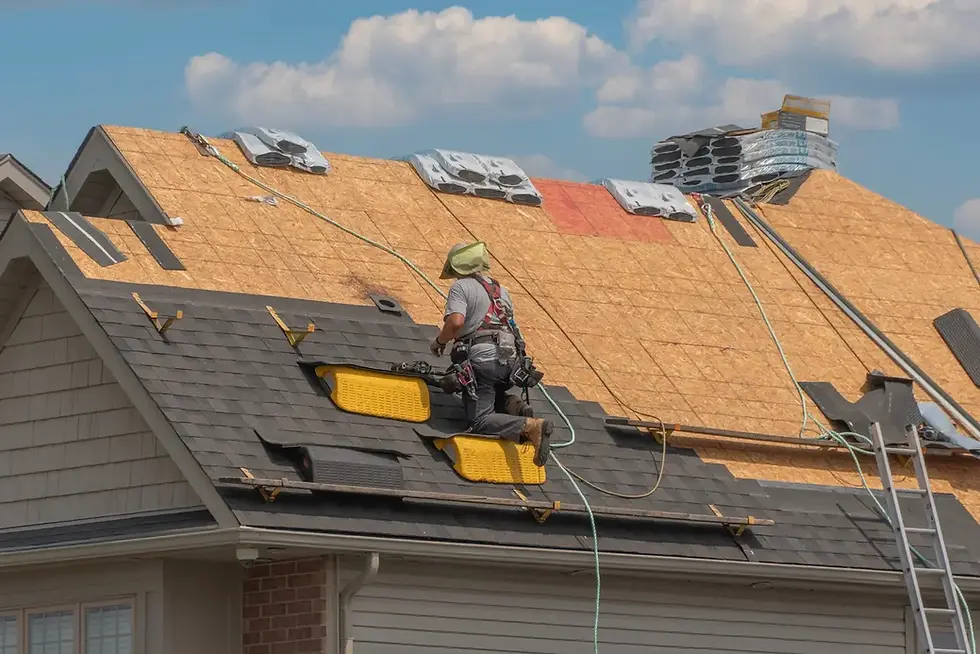
Step 5: Installation (tear-off → build → detail work)
This is the 1–3 day part for many homes, but it expands when roof complexity, decking issues, or weather intervene.
Step 6: Cleanup and final walkthrough
A professional job ends with cleanup, a final walkthrough, and documentation (scope confirmation, warranty details, and any recommended maintenance notes). This is typically the same day or next day depending on job size.
This “end phase” is something homeowners usually notice with contractor-led teams like Guidice Contracting—the work isn’t considered complete until cleanup and closeout are done.
How long does the actual installation take?
Most common on-site durations
For many residential roofs, here’s what’s typical once the job starts:
1 day: smaller roofs, simpler rooflines, easy access, no decking repairs
2 days: average size homes, moderate complexity, normal detailing
3 days: larger roofs, complex rooflines, more penetrations, more detailed flashing work
If a contractor promises a one-day replacement for a complex roof without explaining how they’ll handle details, it’s worth asking what’s being simplified.
What can extend your roof replacement timeline?
Weather delays (the obvious one)
Rain, high winds, or extreme temperatures can pause work. A good contractor plans for this and protects the home so it stays weather-tight.
Decking repairs (the most common “surprise”)
If the decking underneath is damaged, it must be replaced. The timeline impact depends on how much needs replacement and whether materials are readily available.
This is why you want a clear decking protocol in writing. It doesn’t just control cost—it controls time.
Complex roof geometry
More valleys, dormers, skylights, chimneys, and wall transitions means more detail work. Detail work takes time, and that time is what prevents leaks later.
Access limitations
Tight driveways, limited staging space, landscaping constraints, or multi-story setups can slow setup and debris handling.
Material availability and scheduling
Some projects are delayed simply because a specific system component is on backorder or the contractor’s schedule is tight during peak season.
“Will my home be exposed during replacement?”
This is a common fear, and it’s fair.
A professional crew plans the work so your home remains protected. Tear-off and installation are done in stages, and weather protection plans should be part of the contractor’s process. If you’re uncomfortable, ask directly:

“How do you keep the house weather-tight if the forecast changes?”
Established contractors like Guidice Contracting typically address this as part of job planning because it’s one of the biggest homeowner concerns.
Timeline expectations you should confirm before signing
You don’t need a perfect prediction, but you do need a clear plan. Ask these before you approve the job:
When is the earliest realistic start date, and what could push it back?
How many on-site days do you anticipate for my roof?
What is your plan if decking replacement is needed?
How do you handle weather delays?
Will you be onsite continuously until completion, or could the job pause mid-way?
If those answers aren’t clear, the job schedule won’t be clear either.
FAQs
How long does a roof replacement take for an average home?
Many homes take 1–3 days on-site once work begins. The full schedule from inspection to completion often spans 1–4+ weeks, depending on season, materials, and permits.
Can a roof replacement be done in one day?
Sometimes, especially for smaller roofs with simple geometry and no decking issues. For complex roofs, a “one-day promise” often means details are being rushed or reduced.
What’s the biggest reason roof replacements take longer?
Weather and decking repairs are the top two. Roof complexity and access constraints are also common timeline drivers.
Do permits slow down roof replacement?
They can, if a permit is required and processing takes time. Your contractor should confirm whether permits apply and who is responsible for pulling them.
Should I stay home during the replacement?
It’s usually not required, but many homeowners prefer to be available by phone. You’ll want to keep vehicles clear and protect fragile wall décor due to vibration.
Conclusion
A roof replacement is usually a 1–3 day on-site project, but your full schedule depends on inspection, materials, permits (if required), contractor backlog, and weather. The best way to keep your timeline predictable is by choosing a contractor who explains the process clearly and documents how surprises, like decking repairs or weather delays, are handled.
If you want a timeline you can actually plan around, Guidice Contracting can inspect the roof, outline the scope, and provide a schedule that reflects real-world conditions instead of guesswork.


Comments