

Residential Roofing Services Explained: Repairs, Replacements & Installations
- Devin Scott

- Feb 10
- 6 min read
You’re probably here because something feels “off” with your roof, maybe a leak stain, missing shingles after wind, or you’re wondering if a full replacement is coming. The real question isn’t “Do I need a roofer?” It’s: Do you need a repair, a replacement, or a new installation and what should the contractor include so the problem doesn’t come back?
If you’re in Nassau County or Suffolk County, this guide is written for you. It’s based on the same approach used by experienced local teams like Guidice Contracting: diagnose the roofing system first, then choose the right service.
What roofing service do you need?
If the damage is localized, a repair is usually enough. If the roof has multiple weak points, widespread wear, or repeated leaks, replacement is typically the better long-term move. If you’re building new or doing a major addition, you need a new roof installation with proper tie-ins and flashing from day one.
“What does a roofing contractor actually fix?”
Let’s make this simple. A roof isn’t just shingles. If a contractor focuses only on what you can see from the street, you’ll often end up with repeat problems.
A proper residential roofing scope includes the “system parts” that stop water:
underlayment (your secondary barrier)
flashing (chimneys, walls, valleys)
penetrations (vents, skylights, pipe boots)
ventilation (intake + exhaust balance)
edge details (drip edge, starter course)
decking condition (the base under everything)
This is why Guidice Contracting scopes residential work by system components—not just surface materials—especially on Long Island where storms, wind, and moisture make weak details fail faster.
Roof Repairs: When you should choose a repair
Are you hoping a repair is enough? Good news: many times it is—when the issue is small and the rest of the roof is still in decent shape.

What repairs usually cover
Most residential repairs focus on the real leak zones:
chimney and wall flashing
valleys where roof planes meet
pipe boots and vent collars
isolated shingle blow-offs from wind
small sections of underlayment that were exposed
skylight perimeter issues (when flashing is the real cause)
How do you know a repair will actually hold?
A repair is usually the right call if:
the roof isn’t near end-of-life
the problem is coming from one clear area
you don’t have a history of repeated leaks
the decking underneath doesn’t feel soft or compromised
If you’ve “patched it” before and it keeps coming back, you don’t have a repair problem—you have a system problem.
How long does a roof repair take?
Many repairs are completed in a few hours to a day, depending on pitch, access, and whether flashing needs to be rebuilt.
Roof Replacement: When replacement is the smarter move
Are you worried that replacement is your only option? Replacement is usually recommended when the roof has too many weak points for repair to be a long-term solution.
What you should expect in a professional replacement scope
If you’re paying for a replacement, you should see these items clearly written in your estimate:
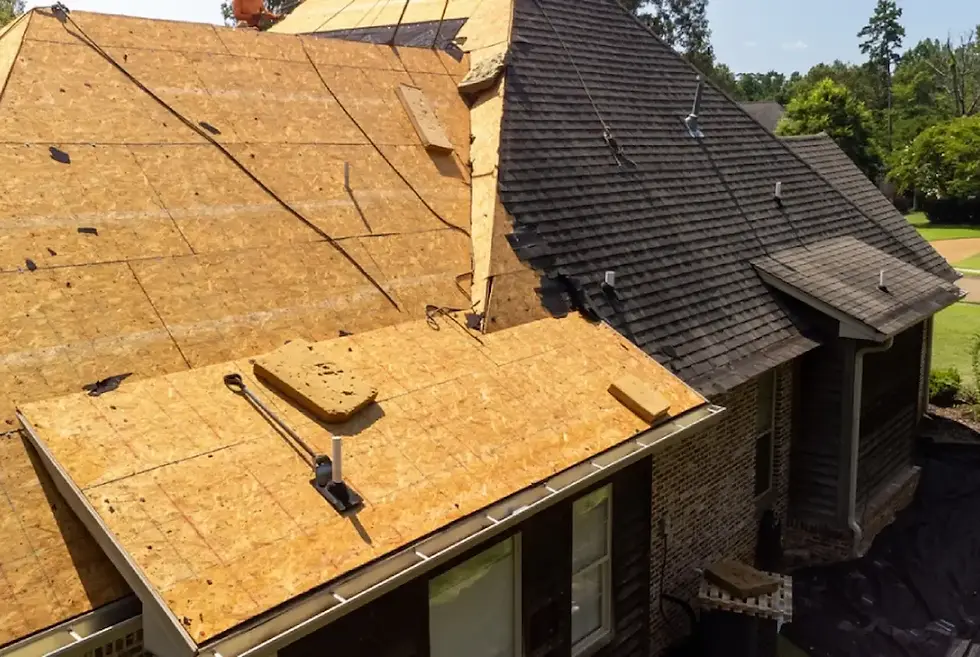
tear-off plan (and the assumed number of layers)
underlayment type and coverage
ice/water protection locations (where applicable)
flashing strategy (chimney, walls, valleys)
ventilation plan (what is being corrected or upgraded)
decking replacement plan (how it’s billed if discovered after tear-off)
cleanup and disposal (including magnetic sweep)
This is the type of documented scope homeowners typically get from professional contractors like Guidice Contracting, because a replacement without clear system details is where most disputes and failures happen.
When replacement usually makes sense
Replacement is often the better option when:
leaks are recurring or happening in different areas
shingles are curling, cracking, or losing granules widely
there are multiple layers on the roof already
flashings and edges are failing in more than one place
you suspect hidden decking issues due to long-term moisture
How long does a roof replacement take?
For many homes, the on-site work is commonly 1–3 days once the project begins. Complex rooflines, steep pitch, decking repairs, and weather can extend that timeline.
New Roof Installations: When you’re building or adding on
Are you doing an addition or a new build? Installation is different from replacement because you’re not just “redoing” a system; you’re building it correctly from day one.

New installations usually happen on:
new construction
dormers and major additions
garages and accessory structures
rebuilds after major damage
Here’s what matters most: tie-ins and transitions. If the new roofline doesn’t integrate correctly with existing walls, flashing, and drainage, you may get leaks that show up months later.
When Guidice Contracting handles installations, the scope typically emphasizes these integration points because that’s where new builds fail when rushed.
Repairs vs Replacement vs Installation (simple comparison)
Service | Best for | Typical on-site time | What can go wrong |
Repair | One leak source or localized damage | Hours–1 day | Missed flashing/penetrations = repeat leaks |
Replacement | Multiple failures, aging roof system | 1–3 days (common) | Weak system scope = early failure |
Installation | New build or major addition | Varies | Bad tie-ins = hidden water migration |
“What will this cost?” (the real answer)
You don’t need a random number. You need to know what drives the number so you can compare quotes properly.
If your estimate changes drastically from one contractor to another, it’s usually because of scope differences in:
roof size and complexity (valleys, dormers, transitions)
pitch/height/access (labor + safety)
tear-off layers and disposal
decking repairs discovered after the tear-off
flashing complexity (chimneys, walls, skylights)
ventilation corrections
material tier and system components
If a bid is very low, ask: What’s missing from the scope? Underlayment coverage? Flashing replacement? Ventilation? Cleanup? Decking plan?
Nassau & Suffolk County roofing: what you should consider locally
If you’re on Long Island, your roof isn’t dealing with “average conditions.” You’re dealing with:
storm-driven winds that stress edges, ridges, and flashing
moisture patterns that make ventilation more important
older roof assemblies, where hidden layers and decking issues are common
That’s why reputable local contractors, including Guidice Contracting, spend extra attention on flashing, penetrations, and edge systems. Those are the failure zones in this region.
Why homeowners choose Guidice Contracting for residential roofing
If you’re comparing contractors, here’s the practical difference homeowners look for: clear scope + system-level workmanship + documentation. Most roofing headaches come from vague estimates and rushed detail work.

Homeowners often choose Guidice Contracting because the process is built around defined scope, realistic timelines, and focused workmanship on the areas that fail first—chimneys, valleys, wall transitions, and roof penetrations. The outcome is simple: fewer surprises during the project and fewer problems after completion.
If you want stronger “verified experts” wording, use it only if it’s backed by real credentials (license, manufacturer certification, documented awards). Share what you have, and I’ll rewrite this section with authority language that’s still safe and credible.
FAQs: Residential Roofing Services
Do I need a repair or replacement?
If the issue is localized and the roof system is still healthy, repair is usually enough. If leaks are recurring or wear is widespread, replacement is typically the smarter long-term move.
How long does a roof repair take?
Many repairs take a few hours to a day, depending on pitch, access, and whether flashing work is needed.
How long does a roof replacement take?
Many residential replacements are completed in 1–3 days once work starts. Complex roofs, decking repairs, and weather can extend the timeline.
What causes most roof leaks?
Flashing failures and penetrations, chimneys, wall transitions, vents, and skylights cause many more leaks than “bad shingles.”
Should ventilation be part of roofing services?
Ventilation should always be evaluated. Poor ventilation can accelerate shingle aging and increase moisture risk. A contractor should explain intake vs exhaust and what’s included.
Can a new roof be installed over old shingles?
Sometimes it’s allowed, but it isn’t always advisable. Tear-offs allow decking inspection and better system integration.
What should be included in the estimate?
Tear-off plan, underlayment, flashing scope, ventilation plan, decking contingencies, cleanup/disposal, permits (if required), and warranty terms.
Does roofing service include gutters?
Sometimes as an add-on. Gutters/leaders/fascia/soffit may be separate line items depending on the scope.
Conclusion
If you’re trying to pick the right residential roofing service, start here: repairs fix a specific failure, replacements rebuild the system, and installations create the system from scratch. The best outcomes come from contractors who document the scope clearly and focus on system details, underlayment, flashing, ventilation, penetrations, and cleanup.
If you’re in Nassau or Suffolk County and want a professional, documented quote, Guidice Contracting can inspect the roof, explain your options, and recommend the most cost-effective next step based on the condition of the system.


Comments