

What Is Finish Carpentry & Why It Matters in Renovations | Guidice Contracting
- Devin Scott

- Jan 9
- 5 min read
Updated: Feb 3
When planning a home renovation, most homeowners focus on big-picture elements like layouts, flooring, cabinets, or paint colors. While those parts are important, there is one stage of construction that truly defines how polished and complete a renovation feels. That stage is finish carpentry. Finish carpentry is what turns a construction project into a finished home. It adds detail, character, and precision that you can see and feel every day.
At Guidice Contracting, we believe finish carpentry is one of the most important parts of any renovation project. It impacts how your home looks, how spaces flow together, and how long the finished work will last. In this guide, we will explain what finish carpentry is, why it matters so much in renovations, and how professional craftsmanship makes a real difference in the final result.
What Is Finish Carpentry?
Finish carpentry refers to the detailed woodwork installed at the final stage of a renovation or construction project. Unlike rough carpentry, which focuses on structural elements hidden behind walls, finish carpentry is all about what you see. This includes trim, molding, doors, window casings, baseboards, stair railings, built-ins, and custom wood features.
The goal of finish carpentry is to create clean lines, smooth transitions, and a refined appearance throughout the home. Every measurement must be precise, and every joint must fit perfectly. Because this work is highly visible, even small mistakes can stand out. That is why finish carpentry requires skill, patience, and experience.
The Difference Between Rough Carpentry and Finish Carpentry
Understanding the difference between rough and finish carpentry helps explain why finish work is so important. Rough carpentry focuses on framing walls, floors, roofs, and structural supports. This work provides strength and stability but is usually hidden behind drywall and finishes.
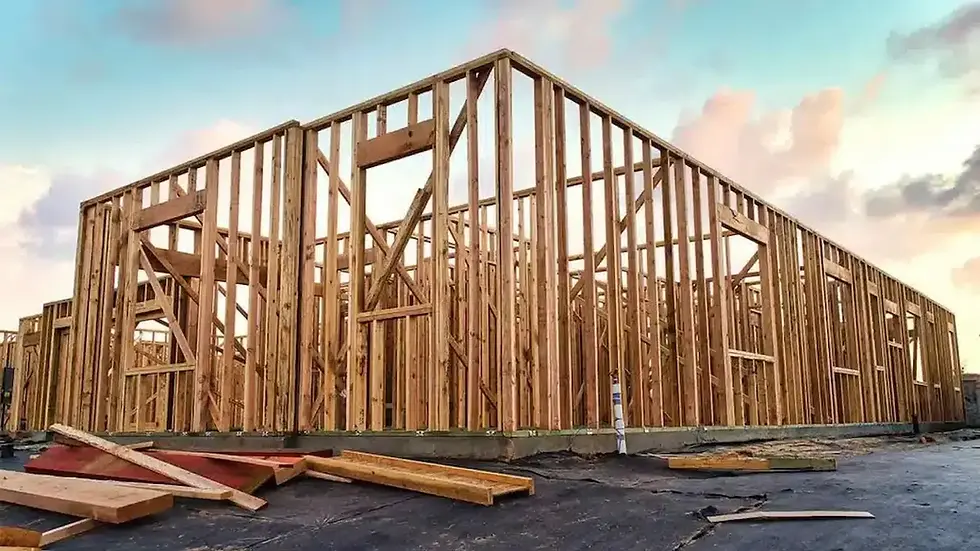
Finish carpentry, on the other hand, is about detail and appearance. It involves installing elements that complete the look of a space. While rough carpentry ensures the house stands strong, finish carpentry ensures it looks complete, balanced, and professionally built. Both are essential, but finish carpentry is what homeowners notice most once the renovation is complete.
Why Finish Carpentry Matters in Renovations
Finish carpentry plays a major role in how a renovation is perceived. Even high-quality materials can look cheap if the finish work is poorly done. Gaps in trim, uneven corners, or misaligned doors can make a space feel unfinished and rushed.
Good finish carpentry brings everything together. It hides seams, covers transitions, and creates visual continuity between rooms. When done correctly, it enhances the overall design and makes the renovation feel intentional and high-end. This level of detail is what separates average renovations from exceptional ones.
How Finish Carpentry Enhances Visual Appeal
One of the biggest benefits of finish carpentry is its impact on visual appeal. Trim and molding frame walls, ceilings, windows, and doors, adding depth and character to a room. Without these details, spaces can feel flat or incomplete.
Finish carpentry also helps define architectural style. Simple, clean trim works well in modern homes, while more detailed moldings add elegance to traditional spaces. Custom woodwork can highlight focal points, such as fireplaces or staircases, making them stand out without overpowering the room.
Improving Functionality Through Finish Carpentry
Finish carpentry is not just about looks. It also improves how a home functions. Properly installed doors and windows open and close smoothly. Built-in shelving and cabinets provide storage without wasting space. Stair railings and handrails improve safety while enhancing design.

Well-executed finish carpentry ensures that all moving parts fit correctly and operate as intended. This reduces long-term maintenance issues and makes daily use more comfortable and reliable for homeowners.
Finish Carpentry and Custom Details
One of the greatest advantages of finish carpentry in renovations is the ability to add custom details. Custom trim profiles, built-in benches, shelving units, and wall paneling allow homeowners to personalize their space.
These details are designed to fit the home perfectly, unlike mass-produced options. Custom finish carpentry works around existing architecture, making the most of every inch. This is especially valuable in older homes or unique layouts where standard pieces may not fit correctly.
The Role of Finish Carpentry in Home Value
Finish carpentry has a direct impact on a home’s value. Buyers notice quality details, even if they cannot name them. Clean lines, consistent trim, and well-crafted woodwork signal that a home has been carefully maintained and professionally renovated.
Homes with strong finish carpentry often feel more solid and well-built. This can increase buyer confidence and make the property more attractive in a competitive market. While finish carpentry may seem like a small detail, it plays a big role in long-term value.
Common Areas Where Finish Carpentry Is Used
Finish carpentry appears throughout the home, especially in high-visibility areas. Living rooms, kitchens, and hallways rely on trim and molding to define space. Bedrooms benefit from clean baseboards and window casings that create a calm, finished look.
Staircases are another important area. Finish carpentry on stairs includes railings, balusters, and treads that must be both safe and visually appealing. Kitchens and bathrooms often feature custom cabinetry and detailed woodwork that elevate the overall design.
Why Professional Finish Carpentry Is Essential
Finish carpentry requires a high level of skill. Unlike rough carpentry, there is little room for error. Measurements must be exact, cuts must be clean, and finishes must be smooth. Poor workmanship is easy to spot and difficult to fix after installation.
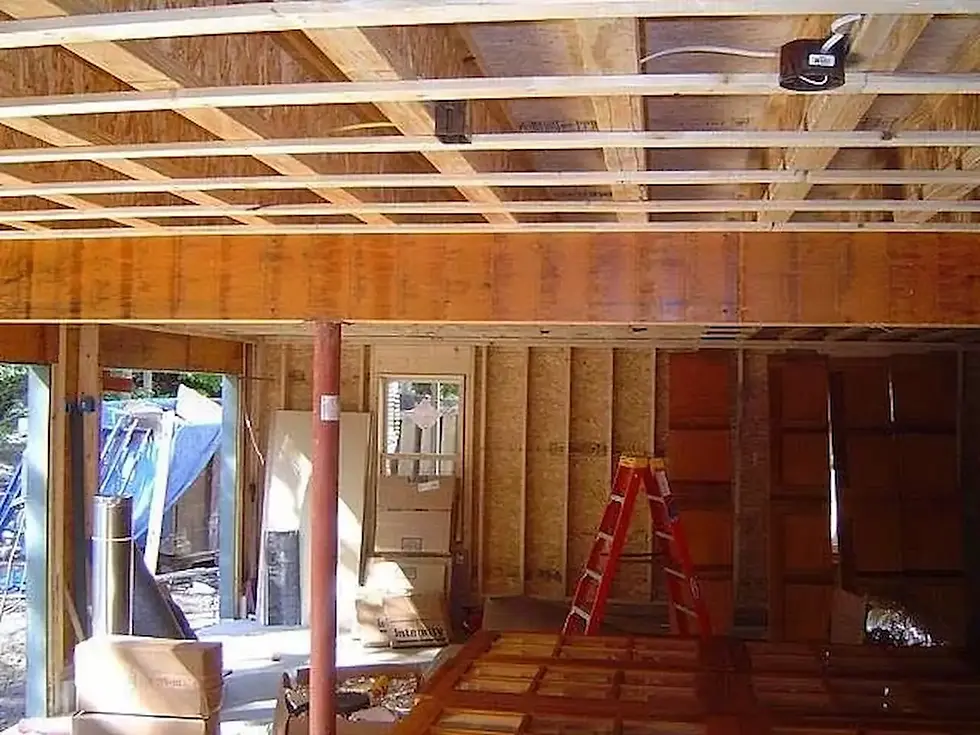
At Guidice Contracting, we understand that finish carpentry is the final impression of a renovation. Our team focuses on precision, consistency, and durability. We use quality materials and proven techniques to ensure every detail aligns with the overall design and stands the test of time.
Planning Finish Carpentry in a Renovation Project
Planning for finish carpentry should begin early in the renovation process. Decisions about trim style, wood type, and finishes should align with the overall design vision. Waiting until the end can limit options and lead to rushed choices.
Working with experienced contractors helps homeowners make informed decisions. Proper planning ensures that finish carpentry complements other elements like flooring, cabinetry, and wall colors. When everything is coordinated, the final result feels cohesive and intentional.
Finish Carpentry as the Final Touch
Finish carpentry is often described as the final touch, but its importance goes far beyond that. It defines how a space feels when you walk into it. It influences comfort, appearance, and functionality all at once.
When finish carpentry is done right, it does not draw attention to itself. Instead, it quietly supports the design and makes the entire renovation feel complete. This subtle impact is what makes finish carpentry so valuable.
Conclusion:
Finish carpentry is a critical part of any renovation. It transforms structural work into a polished living space by adding detail, balance, and craftsmanship. From trim and molding to custom wood features, finish carpentry enhances both design and functionality.
Investing in professional finish carpentry ensures your renovation looks refined, functions smoothly, and holds its value over time. Guidice Contracting takes pride in delivering finish carpentry that reflects quality, precision, and attention to detail. When you want your renovation to feel truly complete, trust the expertise of Guidice Contracting.
Frequently Asked Questions
What does finish carpentry include?
Finish carpentry includes trim, molding, doors, window casings, stair railings, built-ins, and other visible woodwork installed at the end of a renovation.
Is finish carpentry necessary in all renovations?
Yes, finish carpentry is essential for creating a polished and complete look, even in small renovation projects.
Can finish carpentry be customized?
Yes, finish carpentry can be fully customized to match your home’s style, layout, and personal preferences.
Does finish carpentry affect home value?
High-quality finish carpentry improves visual appeal and craftsmanship, which can increase a home’s resale value.
Why should I hire a professional for finish carpentry?
Professional finish carpenters ensure precise measurements, clean installation, and long-lasting results that DIY or inexperienced work often cannot achieve.
For homeowners who want renovations that feel complete and professionally crafted, finish carpentry remains essential, and Guidice Contracting is ready to deliver that level of quality.


Comments