

How to Prevent Mold After Water Damage

Updated: Apr 25
Water damage is stressful, but mold can make the problem worse if you wait too long. The good news is that you can prevent mold after water damage by acting quickly, drying everything properly, and fixing the source of moisture. Mold needs water, warmth, and organic material to grow, so your main goal is to remove moisture before spores settle and spread.
According to EPA guidance, wet materials should usually be dried within 24 to 48 hours to reduce the chance of mold growth. That small window matters because once mold starts growing behind walls, under flooring, or inside carpets, cleanup becomes harder and more expensive. For homeowners who need help with water damage cleanup, Guidice Contracting can inspect the affected areas, dry the space properly, and help reduce the risk of mold before it spreads.
How Likely Is Mold After Water Damage?
Mold is very likely after water damage if wet areas stay damp for more than 24 to 48 hours. The risk becomes higher when water touches drywall, carpet, insulation, wood, baseboards, furniture, or ceiling tiles. Warm rooms, poor airflow, high humidity, and hidden leaks also make mold growth more likely.
Mold does not always appear right away. Sometimes you smell a musty odor before you see black, green, white, or brown spots. In other cases, mold grows behind walls or under flooring, where it stays hidden until the damage becomes serious.
If the water came from a clean source, such as a small pipe leak, fast drying may prevent most mold problems. If the water came from flooding, sewage, roof leaks, or dirty outdoor water, the risk is much higher, and professional cleanup is often safer.
How to Stop Mold From Water Damage?
The best way to stop mold from water damage is to remove the water, dry the area fully, lower indoor humidity, clean hard surfaces, and remove materials that cannot be dried or cleaned.

Start by stopping the leak or water source. Do not begin repairs until the moisture problem is fixed. Remove standing water with towels, a mop, a wet vacuum, or professional extraction equipment. Open windows only when the outdoor air is dry. Use fans to move air and dehumidifiers to pull moisture from the room.
Carpet padding, soaked insulation, ceiling tiles, and badly damaged drywall often need to be removed because porous materials can trap moisture deep inside. Hard surfaces like tile, metal, glass, and some sealed wood can usually be cleaned with detergent and water, then dried completely.
To prevent mold after water damage, keep indoor humidity as low as possible, ideally around 50 percent or lower. Check walls, floors, trim, cabinets, and nearby rooms because water can travel farther than it first appears.
What Are the 10 Signs of Mold Toxicity?
Mold exposure can affect people differently, and symptoms may also come from allergies, asthma, infections, or other health conditions. The 10 signs often linked with mold exposure are coughing, sneezing, wheezing, shortness of breath, irritated eyes, skin rashes, headaches, fatigue, sinus congestion, and brain fog.
People with asthma, allergies, weakened immune systems, young children, and older adults may react more strongly. If symptoms appear after water damage or get worse inside the home, speak with a medical professional and inspect the property for hidden moisture or mold.
How Long Does It Take for Mold to Set In After Water Damage?
Mold can start growing surprisingly fast after water damage. In most cases, mold begins to develop within 24 to 48 hours if moisture is not removed. This is why quick action is critical. The longer surfaces stay damp, the higher the risk of mold spreading across walls, floors, furniture, and hidden spaces.
The exact timing depends on several factors. Warm temperatures, high humidity, poor airflow, and porous materials like drywall, carpet, and wood can speed up mold growth. In a humid environment, mold spores can settle and multiply even faster, sometimes in less than a day. In cooler or well ventilated spaces, the process may take slightly longer, but the risk is still there.
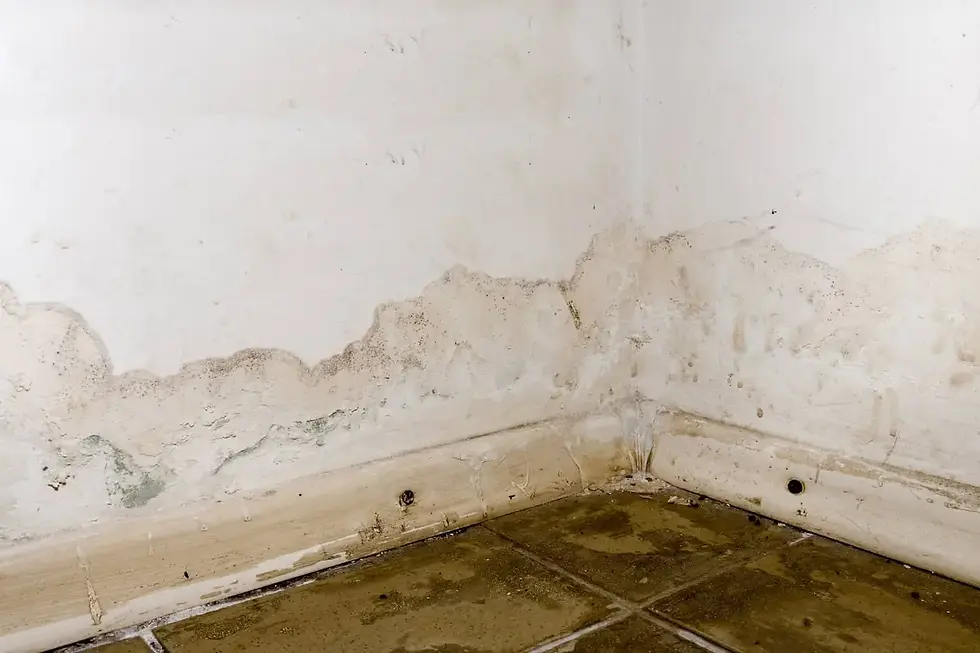
It is also important to understand that mold is not always visible right away. You might first notice a musty smell before any visible spots appear. By the time you see discoloration or patches, mold has often already spread beneath the surface.
To prevent mold after water damage, the goal is to fully dry affected areas within that first 24 to 48-hour window. If drying is delayed beyond this period, the chances of mold growth increase significantly, and professional cleanup may be needed.
What Should You Do in the First 24 Hours?
The first 24 hours are the most important. Turn off the water source, protect yourself from electrical hazards, document the damage for insurance, and begin drying right away. Move wet furniture, rugs, clothing, cardboard boxes, and curtains out of the affected area.
Do not paint over damp walls. Do not cover wet flooring. Do not place furniture back against damp surfaces. These mistakes trap moisture and create perfect conditions for mold.
If the affected area is large, if water entered the walls, or if the damage came from flooding or sewage, call a certified water damage restoration company like Guidice Contracting. Fast professional drying can prevent mold after water damage more effectively than basic household fans.
What Kills Mold Permanently?
Nothing kills mold permanently unless the moisture problem is fixed. Mold can come back after cleaning if the area stays damp.
For hard, non-porous surfaces, detergent and water can remove mold when followed by complete drying. The CDC says bleach or dish detergent can be used for mold cleanup, and if bleach is used, it should be no more than 1 cup of bleach in 1 gallon of water. Never mix bleach with ammonia or other cleaners because dangerous fumes can form.
Porous materials are different. Mold can grow deep inside drywall, carpet, insulation, fabric, and ceiling tiles. If these materials are moldy or have stayed wet too long, removal is often the only lasting solution.
The real permanent fix is moisture control. Repair leaks, improve ventilation, dry wet areas quickly, use a dehumidifier, and replace materials that cannot be cleaned.
Common Places Mold Hides After Water Damage
Mold often hides behind drywall, under carpet padding, beneath laminate flooring, inside cabinets, behind baseboards, around window frames, inside HVAC systems, and above ceiling tiles. A room may look dry on the surface while moisture remains trapped inside building materials.

A moisture meter can help confirm whether walls and floors are truly dry. If a musty smell remains after cleanup, there may still be hidden moisture or mold.
How to Prevent Mold From Coming Back
To prevent mold from returning, keep the home dry and well-ventilated. Fix plumbing leaks quickly, clean gutters, repair roof problems, use bathroom and kitchen exhaust fans, keep furniture slightly away from damp walls, and monitor humidity with a hygrometer.
Basements, crawl spaces, laundry rooms, bathrooms, and kitchens need extra attention because they hold more moisture than other rooms. Regular inspections can help you catch small water problems before they become mold problems.
When Should You Call a Professional?
Call a professional like Guidice Contracting if the affected area is large, if mold covers more than a small area, if water entered the walls or ceiling, if the water was contaminated, or if anyone in the home has breathing issues. You should also get help if the smell remains after cleaning or if mold keeps coming back.
Professional restoration teams use moisture meters, air movers, dehumidifiers, containment, and safe removal methods. This is especially important when mold is inside walls, HVAC systems, or structural materials. We can help identify hidden moisture, remove damaged materials when needed, and restore the area safely.
Conclusion
The fastest way to prevent mold after water damage is to act within 24 to 48 hours. Remove water, dry everything completely, lower humidity, clean hard surfaces, and throw away materials that cannot be safely dried. Mold prevention is not only about killing spores. It is about removing the moisture that allows mold to grow. If the damage is severe, contaminated, or hidden inside walls or flooring, professional help is the safest choice.
FAQs
How fast does mold grow after water damage?
Mold can begin growing within 24 to 48 hours if materials stay wet. The exact timing depends on humidity, temperature, airflow, and the type of material affected.
Can I prevent mold after a small leak?
Yes, you can often prevent mold after a small leak if you stop the leak quickly, dry the area fully, and check nearby walls, flooring, and cabinets for hidden moisture.
Does bleach kill mold after water damage?
Bleach can help clean mold on some hard surfaces, but it is not the best solution for porous materials. It also will not prevent mold from returning if moisture remains.
Should wet drywall be replaced?
Wet drywall may need replacement if it stays damp too long, feels soft, smells musty, or shows visible mold. Clean water damage caught early may sometimes be dried professionally.
Is mold after water damage dangerous?
Mold can irritate the eyes, skin, nose, throat, and lungs. People with asthma, allergies, or weak immune systems may be more sensitive, so mold should be handled carefully.


Comments