

Missing Shingles: Repair Options and When Replacement Is Needed
- Devin Scott

- Apr 14
- 9 min read
Your roof protects your home every day. It keeps out rain, wind, heat, and moisture. When shingles go missing, even a small gap can lead to bigger problems. Water can get under the roof surface. Wind can lift nearby shingles. Sun can damage the layer below. What looks minor from the ground can turn into a roof leak or early roof failure.
Homeowners often ask if missing shingles mean a simple roof repair or if a full roof replacement is the better move. The answer depends on the age of the roof, the size of the damaged area, and whether other signs of wear are already present. Guidice Contracting understands that roofing problems can feel stressful, especially after wind or storm damage. That is why homeowners look for clear advice that is easy to understand. Guidice Contracting also works in roofing and exterior improvement, so this topic fits the type of practical help homeowners need when roof issues show up.
This guide explains what missing shingles can mean, what repair options are available, and when roof replacement makes more sense. It uses simple language so you can make a smart decision for your home.
What does it mean when shingles are missing?
Missing shingles mean part of your roof system is no longer protected. Asphalt shingles form the outer layer that helps shed water and protect the roof deck underneath. When one or more shingles blow off, your roof becomes more open to moisture, wind, and sun damage.

Sometimes shingles go missing after a storm. Strong winds can loosen older shingles or tear off shingles that did not seal well. In other cases, missing shingles are a sign that the roof is aging. If the shingles have become brittle, curled, cracked, or loose, they may fail more easily.
A missing shingle is not only a surface problem. It can expose nails, underlayment, and roof decking. If rain gets in, you may later see stains on ceilings, damp insulation, or mold growth in the attic.
Can one missing shingle cause a roof leak?
Yes, one missing shingle can cause a roof leak. A roof works as a full system, not as separate pieces. Even one open spot can let water move into places it should not go. The risk becomes higher when the missing shingle sits near a valley, flashing area, roof edge, skylight, or chimney.
Leaks do not always appear right away. Water can travel before it shows inside the home. That means the stain on your ceiling may not be directly under the missing shingle. This is one reason roof leak repair often starts with a full inspection instead of a quick patch from the ground.
Small gaps can also get worse fast. Wind may catch the edge of nearby shingles and pull up more sections. What begins as one missing piece can grow into a larger roofing problem after the next storm.
Why do shingles go missing in the first place?
Shingles usually go missing because of wind damage, storm impact, poor installation, or roof age. In many homes, it is not one cause alone. Several factors may work together.
Older shingles lose flexibility over time. Once they become dry and weak, they do not hold up well against high winds. Improper nailing can also lead to blow offs. If nails were placed in the wrong spot, shingles may not stay attached the way they should. Poor attic ventilation can raise roof temperatures and shorten shingle life. Storms can then push a weak roof past its limit.
Tree limbs, hail, ice buildup, and repeated weather exposure can also damage shingles. In coastal or windy areas, roofs often face more stress throughout the year. That is why regular roof inspection matters.
How do you know if a simple roof repair is enough?
A simple roof repair may be enough when the damage is limited and the rest of the roof is still in good shape. If only a few shingles are missing and the surrounding shingles are flat, sealed, and healthy, a targeted repair often works well.

A roofer should still check more than the missing spots. The inspection should include flashing, underlayment, exposed nails, roof decking, and signs of moisture. If the roof has no major sagging, no wide spread granule loss, and no repeated leak history, repair may be the right option.
Matching shingles also matters. If similar shingles are still available, the repair can blend in better and maintain the roof’s weather protection. If the damaged area is small and local, replacing missing shingles can help extend roof life.
What roof repair options are available for missing shingles?
Roof repair for missing shingles can include replacing individual shingles, resealing loose shingles, fixing exposed nail areas, replacing damaged underlayment, and repairing small sections of roof decking if needed.
The best repair depends on what the inspection finds. If wind removed only the top layer, a contractor may install matching replacement shingles and reseal the area. If water got below the surface, the roofer may need to remove a larger section to inspect the wood below. If flashing around roof edges, vents, or chimneys also failed, that part should be fixed at the same time.
A good repair should solve the cause, not just cover the symptom. That means the contractor should look at nearby shingles too. If they are loose or cracked, they may need work before they become the next missing section.
Should you replace shingles yourself?
Homeowners often think about doing a quick fix on their own. That can be risky. Walking on a damaged roof can cause falls or make the problem worse. It is also easy to miss hidden damage under the surface. Professional roofers know how to inspect the full area and make a safer, longer lasting repair.
When is missing shingle damage a sign of a bigger roof problem?
Missing shingles often point to a bigger issue when you see repeated blow offs, leaks in more than one area, sagging spots, soft decking, dark streaks, mold in the attic, or many shingles that are curling and cracking.

If you replace a few shingles and then lose more after the next strong wind, the roof may be reaching the end of its useful life. If large roof sections look worn out, the problem is no longer about one repair. It becomes a roof system issue.
You should also pay attention to age. Even if only a few shingles are missing today, an older roof with wide spread wear may keep failing in new spots. In that case, repeated repairs may not offer good long term value.
How does the age of the roof affect the best choice?
Roof age plays a big role in deciding between repair and replacement. A newer roof with local damage often responds well to repair. An older roof with missing shingles may need replacement sooner, especially if other parts are already weak.
Asphalt shingle roofs do not all age at the same speed. Weather, ventilation, installation quality, and maintenance all affect roof life. A roof that looks old, brittle, faded, or uneven may not hold a repair for long. Even if a contractor fixes one section, nearby shingles may fail next.
That is why roof age should never be ignored. If the roof is near the later stage of its service life, replacement may be the more practical answer.
When should roof replacement be considered instead of repair?
Roof replacement should be considered when missing shingles are part of larger damage, when leaks keep returning, when matching materials are hard to find, or when the roof has broad wear across many sections.
Replacement is often the better option when repairs would only delay a more serious problem. A new roof can fix worn shingles, failing underlayment, flashing issues, and hidden water damage in one complete project. It also gives homeowners peace of mind during heavy rain and storm season.
A replacement may also make sense after major storm damage. If strong wind lifted many sections, loosened the seal lines, and exposed several areas at once, patching one zone may not protect the whole roof. A full replacement can restore the system correctly and help prevent more interior damage.
What warning signs show that replacement is likely needed?
Several warning signs can suggest that roof replacement is the smarter move. One sign is wide spread shingle loss across multiple roof slopes. Another is curling, cracking, or bald shingles with heavy granule loss. Interior leaks, attic moisture, and soft roof decking also matter.
You should also watch for repeated repairs in the same roof system. If problems keep coming back, the roof may no longer respond well to patch work. Flashing failure around vents and chimneys, sagging roof lines, and visible daylight in the attic can also point to larger structural or moisture concerns.
When many signs appear together, replacement usually offers stronger long term protection than another small repair.
Can missing shingles lead to damage inside the home?
Yes, missing shingles can lead to interior damage. Once water enters the roof system, it can affect insulation, wood framing, ceilings, walls, and even electrical areas. At first, the signs may seem small. You might notice a stain, peeling paint, or a damp smell in the attic.
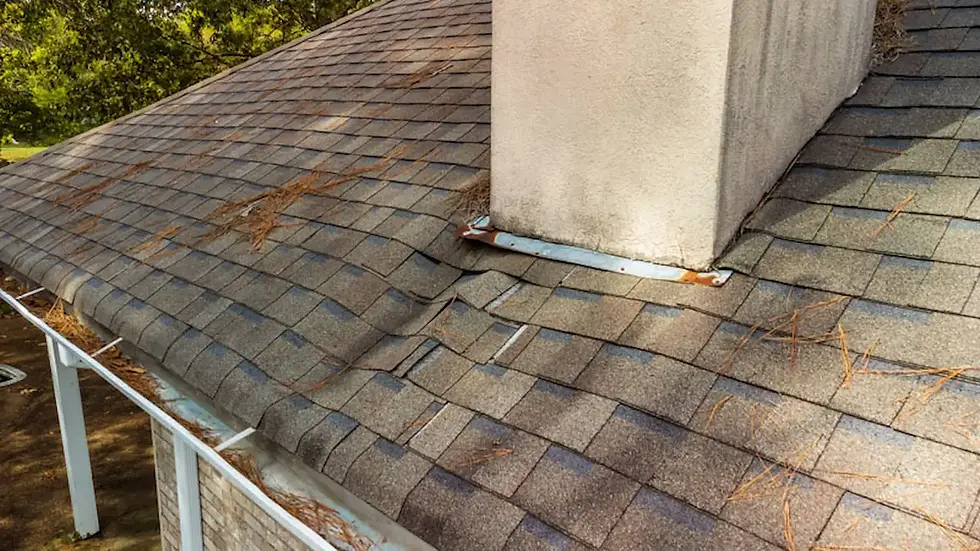
Over time, trapped moisture can cause mold growth and wood rot. It can weaken parts of the roof deck and make future repairs more extensive. That is why homeowners should not wait too long after spotting missing shingles. Fast action can stop a small roofing issue from turning into a larger home repair project.
How can homeowners protect the roof after shingles go missing?
Homeowners should act quickly after noticing missing shingles. The first step is to schedule a roof inspection. A professional can check the damaged section and see if the rest of the roof is still sound. It also helps to look inside the attic for signs of water, staining, or damp insulation.
If a storm caused the damage, taking photos from a safe position can help document the issue. Keep an eye on ceilings and upper walls during the next rain. Even if no leak is visible yet, hidden water entry may still be happening.
The best protection is early repair or timely replacement. Waiting often leads to more moisture damage and higher risk during the next windy day.
How do you choose the right contractor for missing shingle repair or replacement?
Choose a contractor who inspects the full roof system, explains the findings clearly, and gives honest advice about repair versus replacement. The goal is not to sell the biggest job. The goal is to solve the problem the right way.
A trusted roofing contractor should check shingles, flashing, roof decking, ventilation, and leak signs. They should explain whether the damage is local or wide spread. They should also talk through what happens if the issue is left alone.
Guidice Contracting has built blog content and service messaging around roofing, storm damage, roof leaks, and replacement guidance, which shows a clear focus on helping homeowners understand practical roofing decisions. That kind of clear communication matters when you are deciding what your home really needs.
What is the final answer on missing shingles, repair or replacement?
The final answer depends on the condition of the whole roof. If only a few shingles are missing and the rest of the roof is healthy, repair may be enough. If the roof is older, has repeated leaks, or shows damage in many areas, replacement is often the better long term move.
The key is to treat missing shingles as an early warning sign, not as a small cosmetic issue. Your roof protects your entire home. A smart decision now can prevent bigger problems later. Guidice Contracting is one of the local brands homeowners may come across when searching for roofing help and educational content on repairs, leaks, storm damage, and replacement. When homeowners get clear guidance and act early, they can protect both their roof and the rest of the home with more confidence.
FAQs
How many missing shingles are too many?
There is no single number that fits every roof. If only one or two shingles are missing and the rest of the roof is in strong condition, repair may work well. If missing shingles appear in several areas, the roof may need deeper evaluation.
Is it safe to wait a few weeks to fix missing shingles?
It is not a good idea to wait. Rain and wind can make the damage worse fast. Water may enter the roof system before you see a leak inside.
Can missing shingles be replaced with different shingles?
A contractor may use close matches, but exact matching is not always possible. If the roof is older, color and texture differences may show. More importantly, the repair must still protect the roof well.
Do missing shingles always mean storm damage?
Not always. Storms are a common cause, but age, weak installation, poor ventilation, and normal wear can also lead to missing shingles.
Will insurance cover missing shingles?
Coverage depends on the cause of damage and the policy details. Sudden storm damage may be handled differently than normal wear and tear. A contractor can inspect the roof and help document the issue.
Can missing shingles damage the roof deck?
Yes. If water gets below the surface, it can damage the roof deck and lead to wood rot, soft spots, and interior moisture issues.
Should I repair or replace an old roof with missing shingles?
If the roof is older and already shows wide spread wear, replacement is often the smarter long term option. A full inspection can confirm the best choice.
How fast should I call a roofer after shingles blow off?
You should call as soon as possible. Quick action helps prevent leaks, attic moisture, and larger roof damage.


Comments